ホタテ貝が導く道
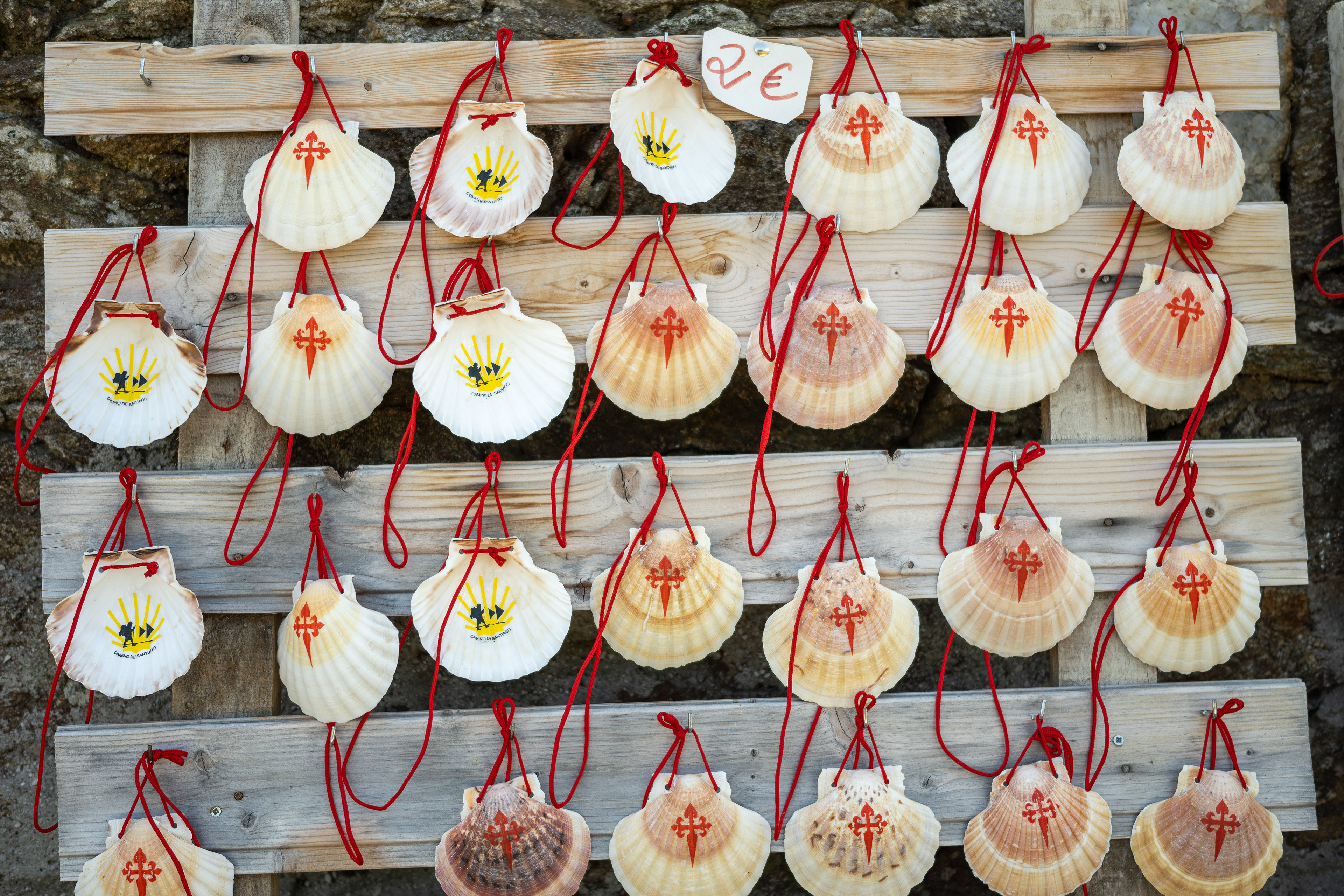
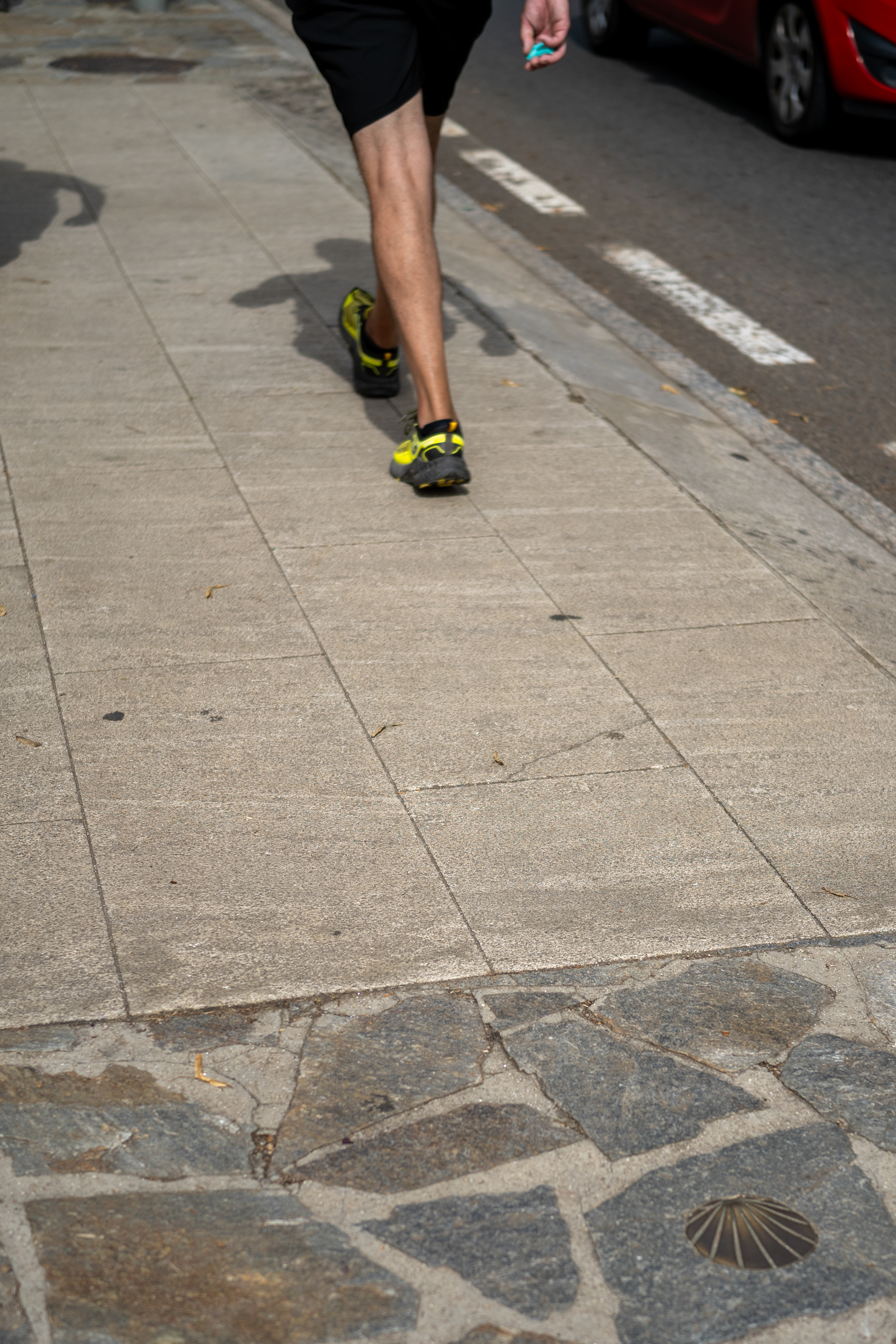
カトリックの三大聖地のひとつであり聖ヤコブが眠る墓があるというサンティアゴ・デ・コンポステーラ。サンティアゴ巡礼はその聖地を目指す旅で、800キロにも及ぶ美しく長い道にこれまで多くの人が惹きつけられてきた。そのシンボルともなるホタテ貝は古くからの言い伝えで「生まれ変わり」を象徴する。
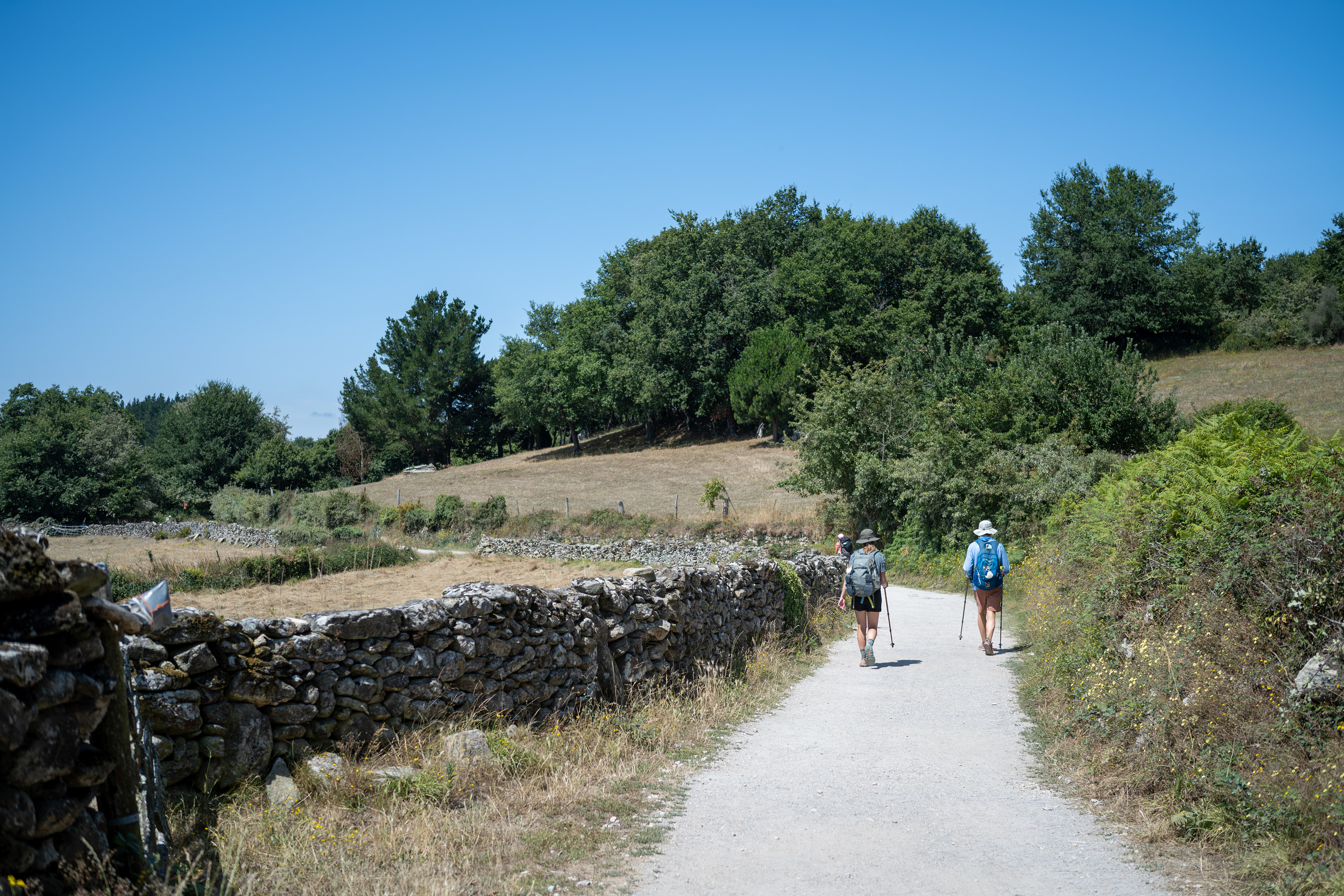
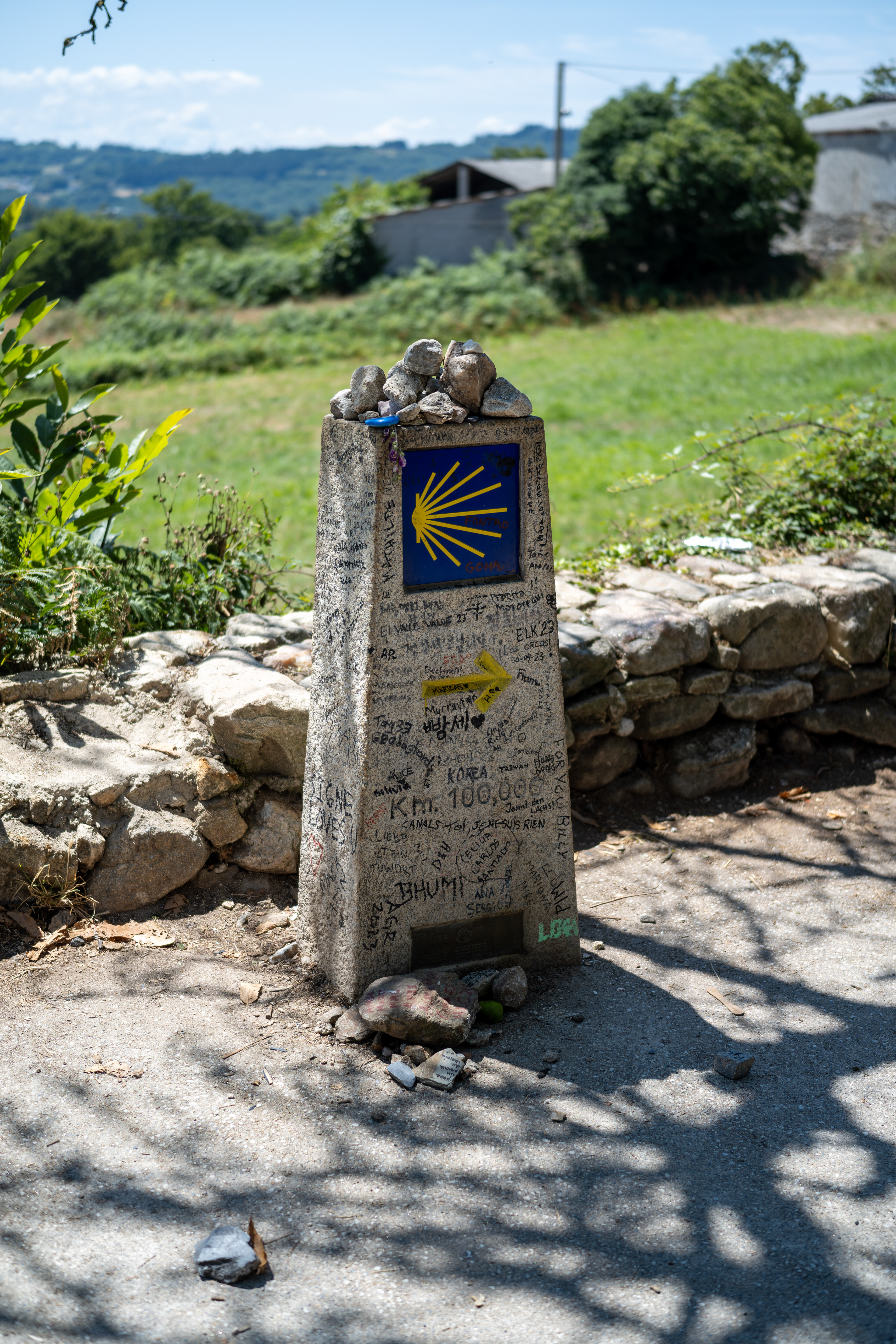
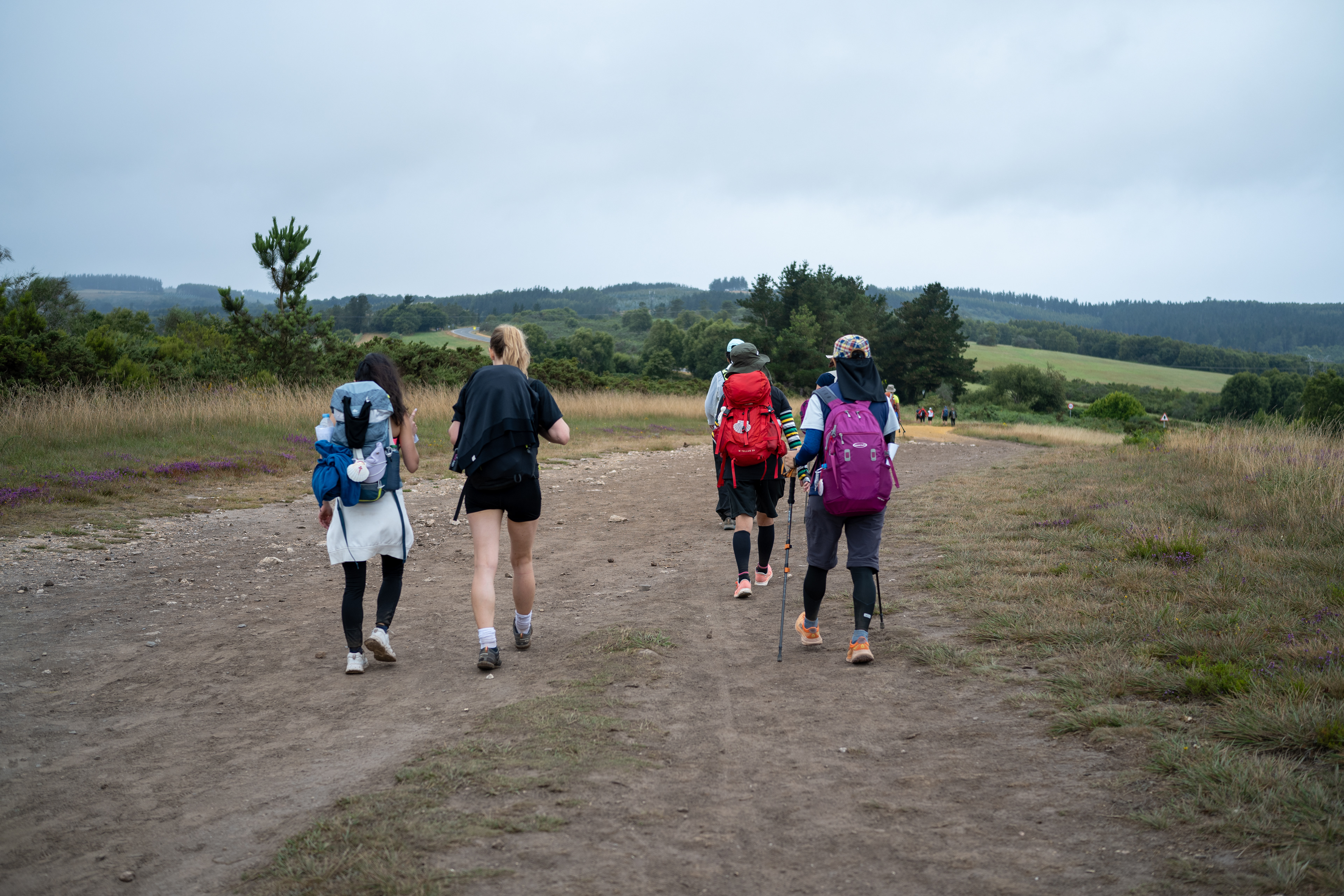
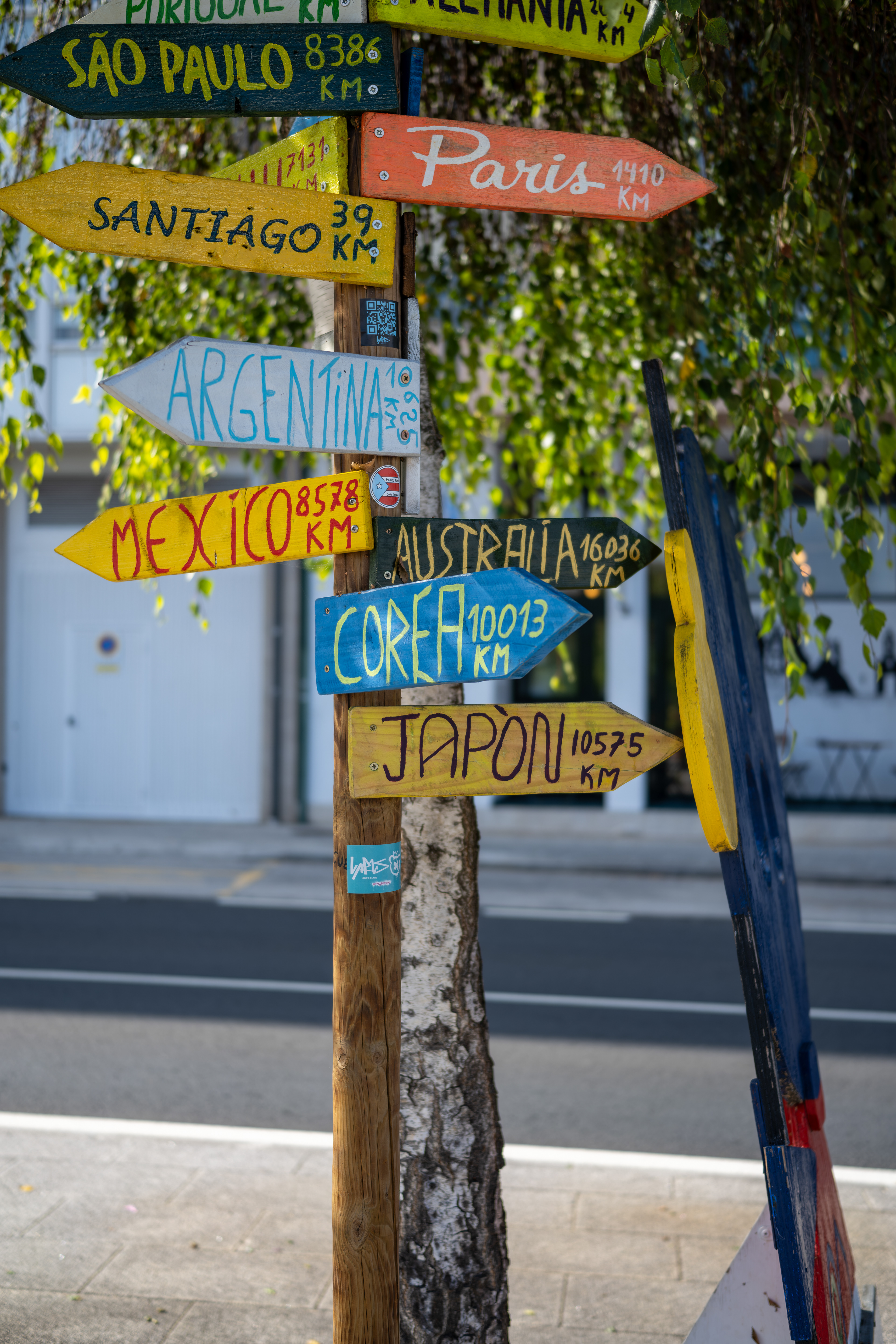
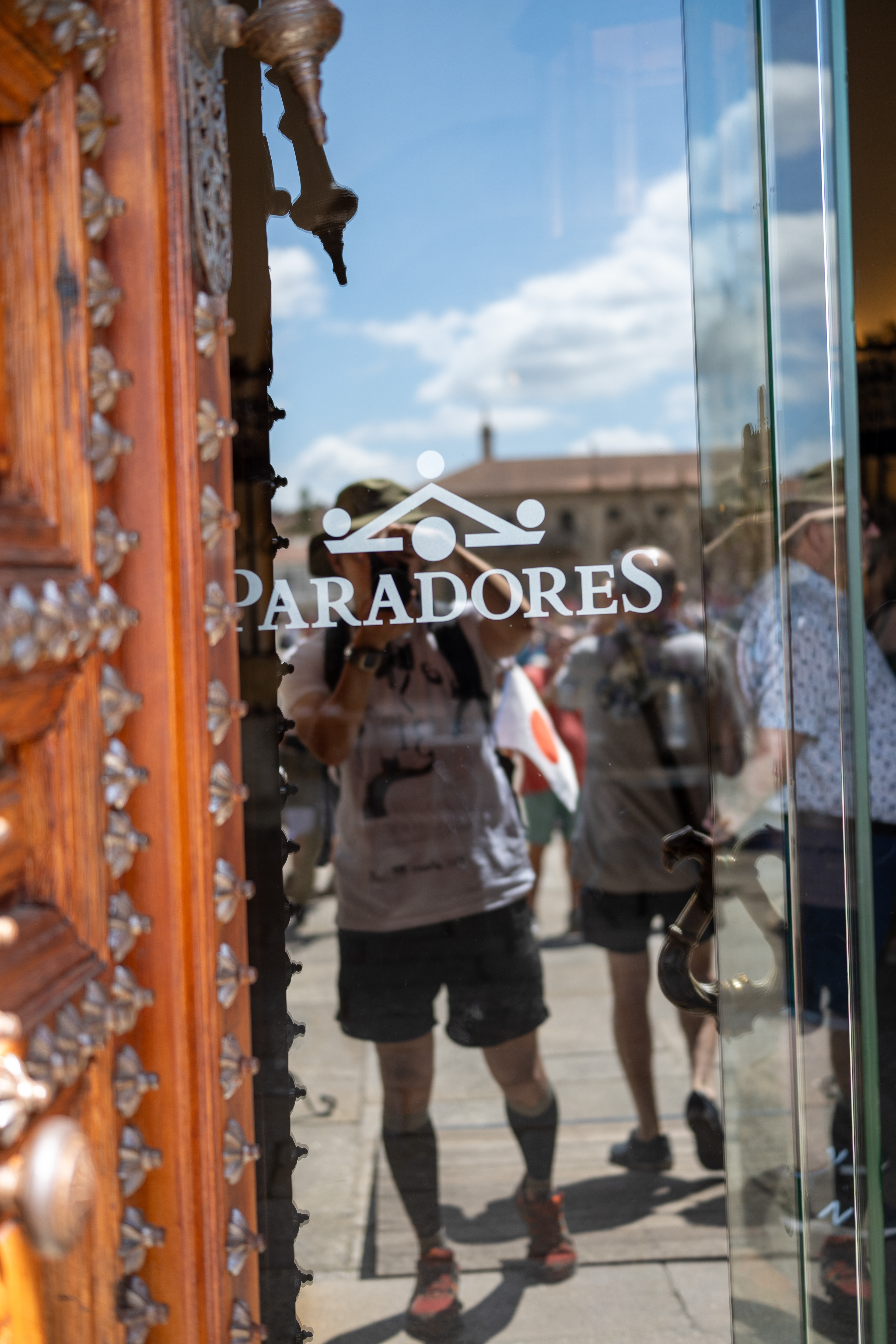
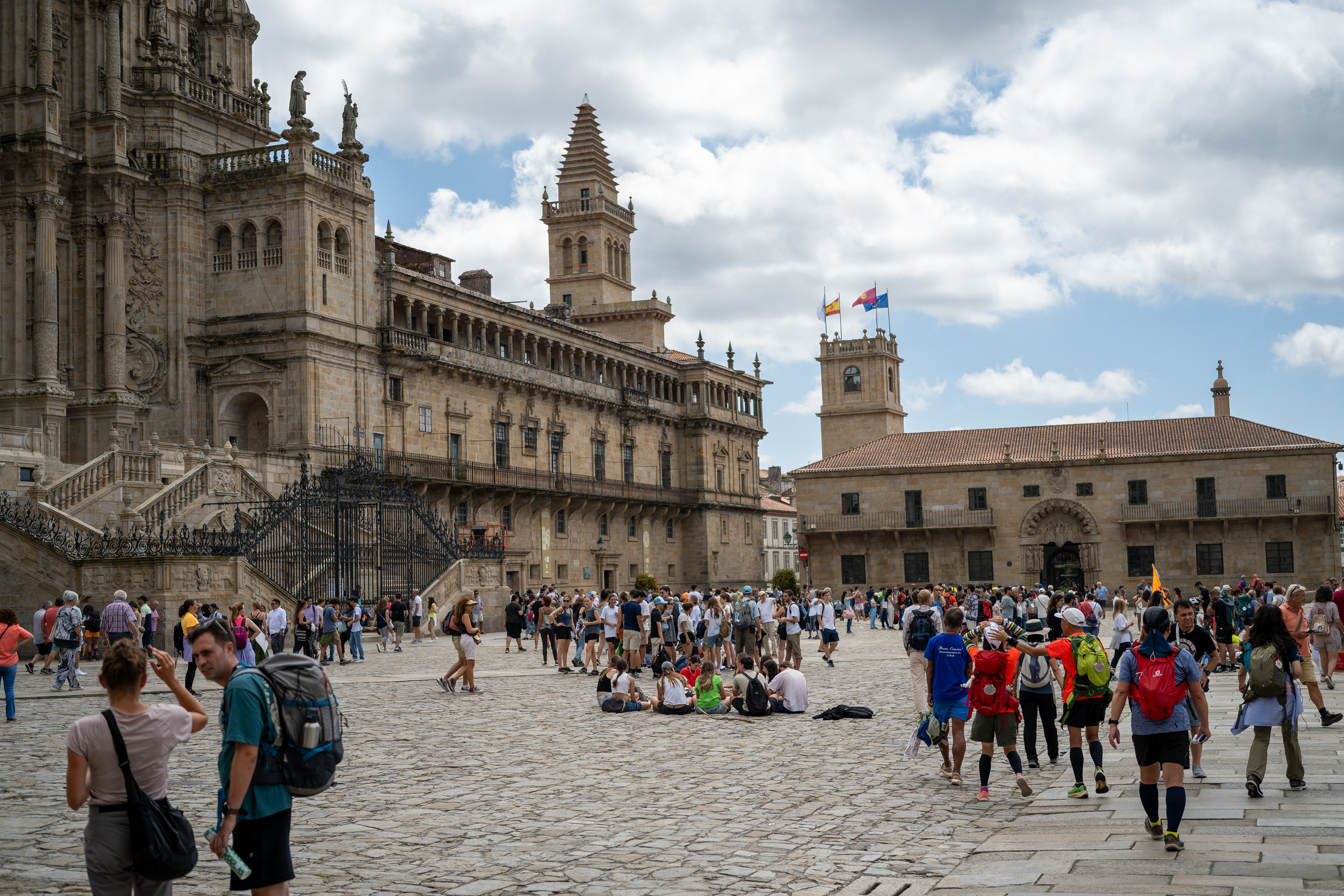
今年の夏、スペイン北部のサリアの街からゴール地点のサンティアゴ・デ・コンポステーラまでの117キロにも及ぶ巡礼路を、実際に自分の足で歩く機会を得た。ここ数年コロナ禍で海外に行く機会もなかった私にとって、そのサンティアゴ巡礼路には自分の人生を見つめ直すための「何か」があると期待していったのだと思う。
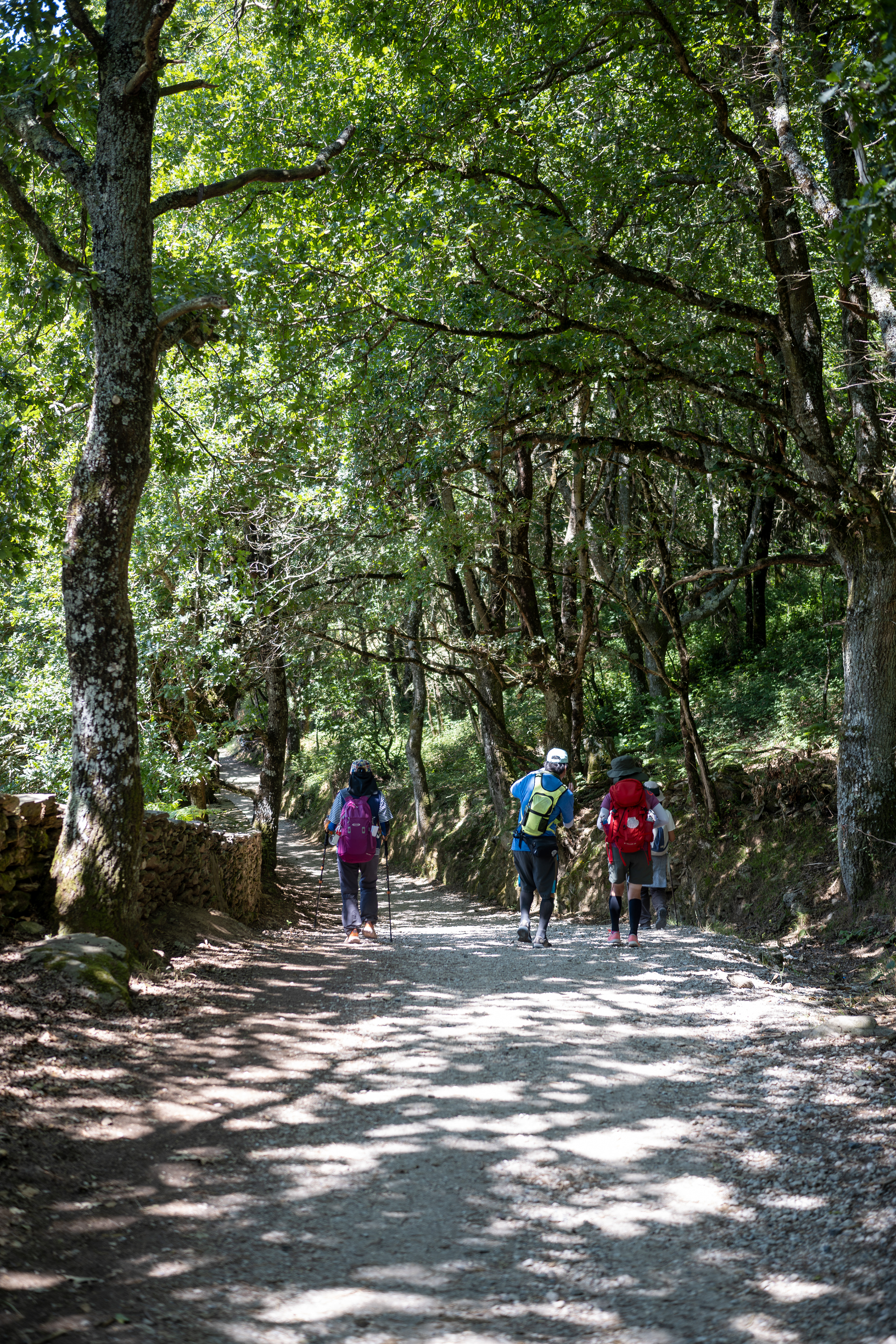
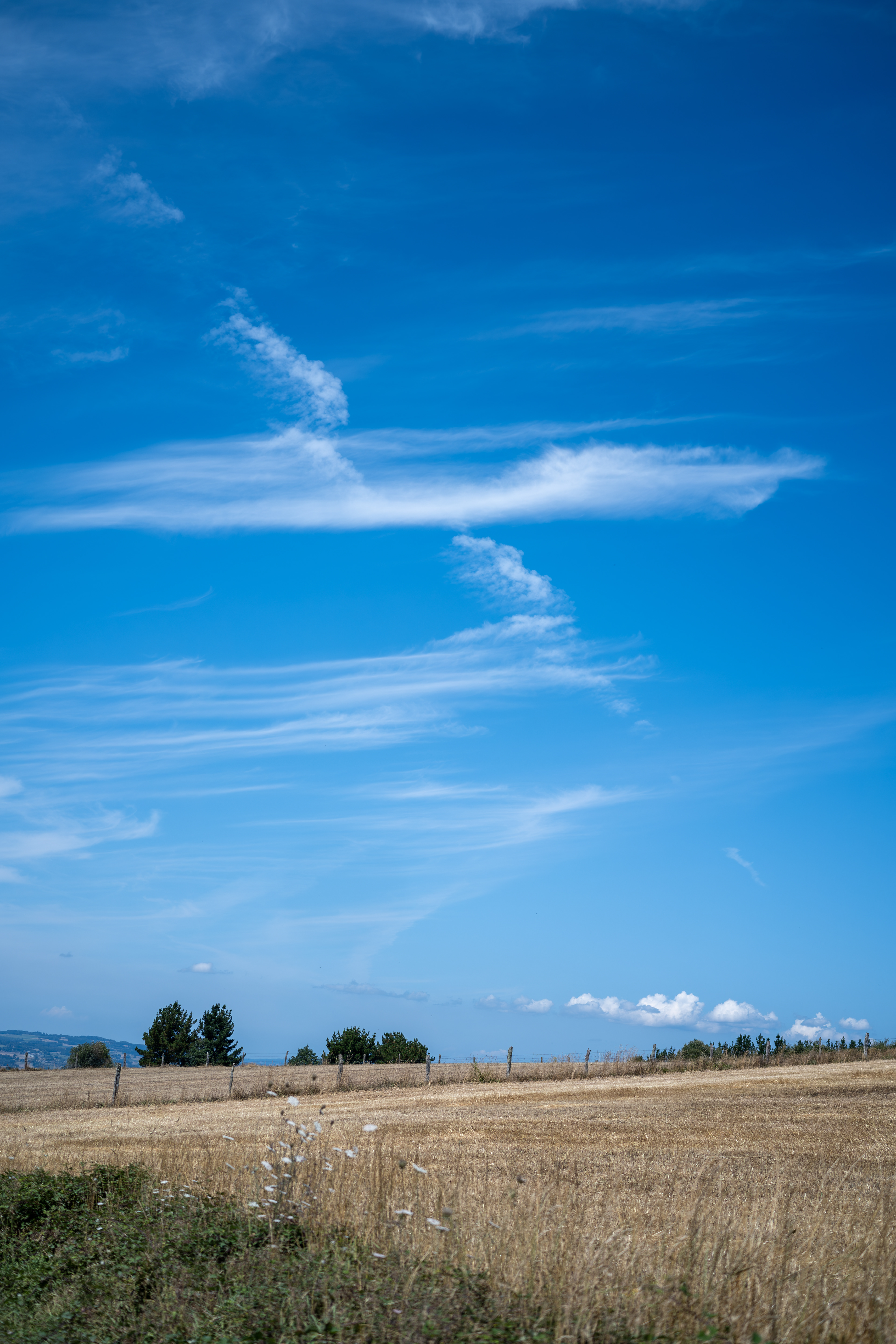
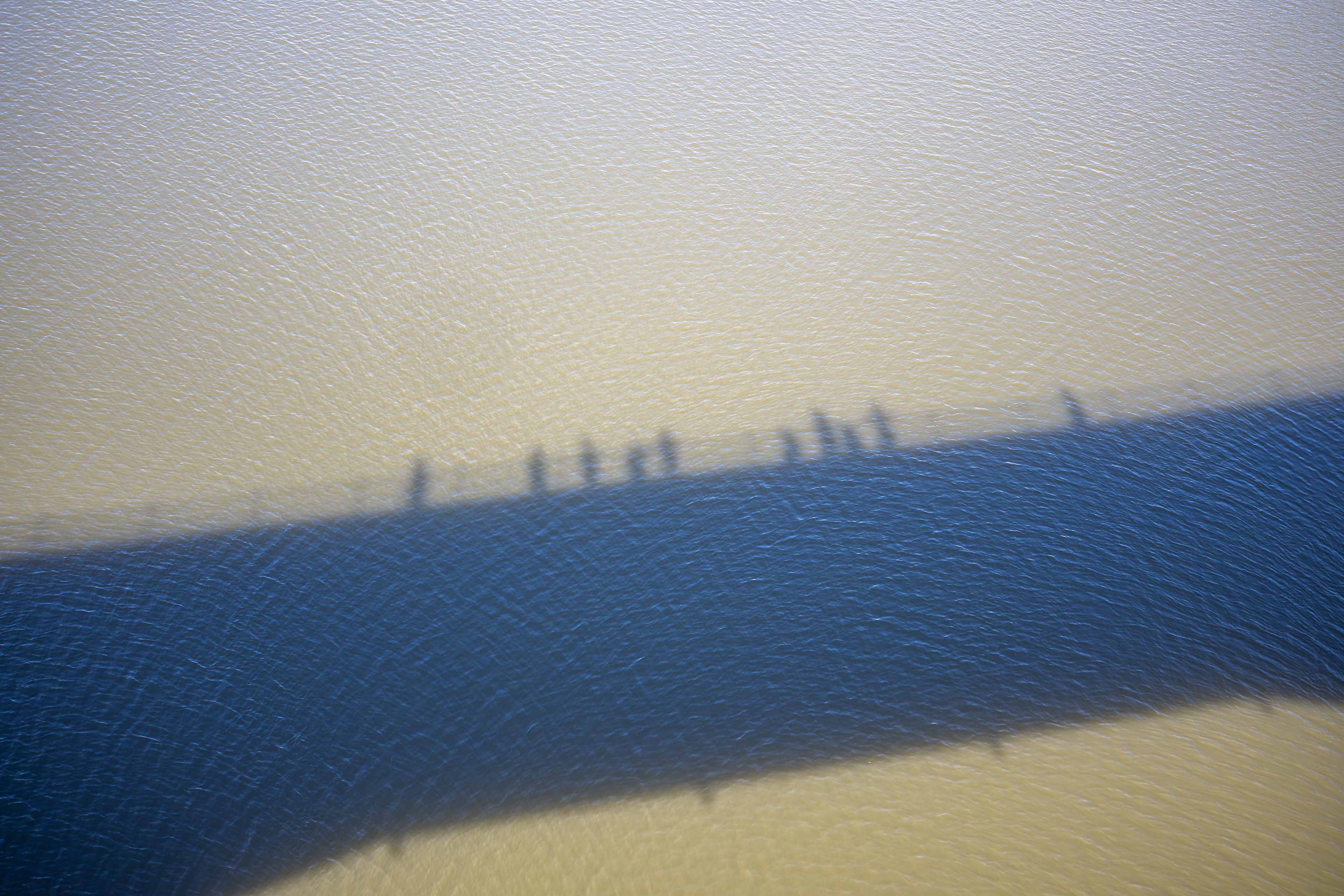
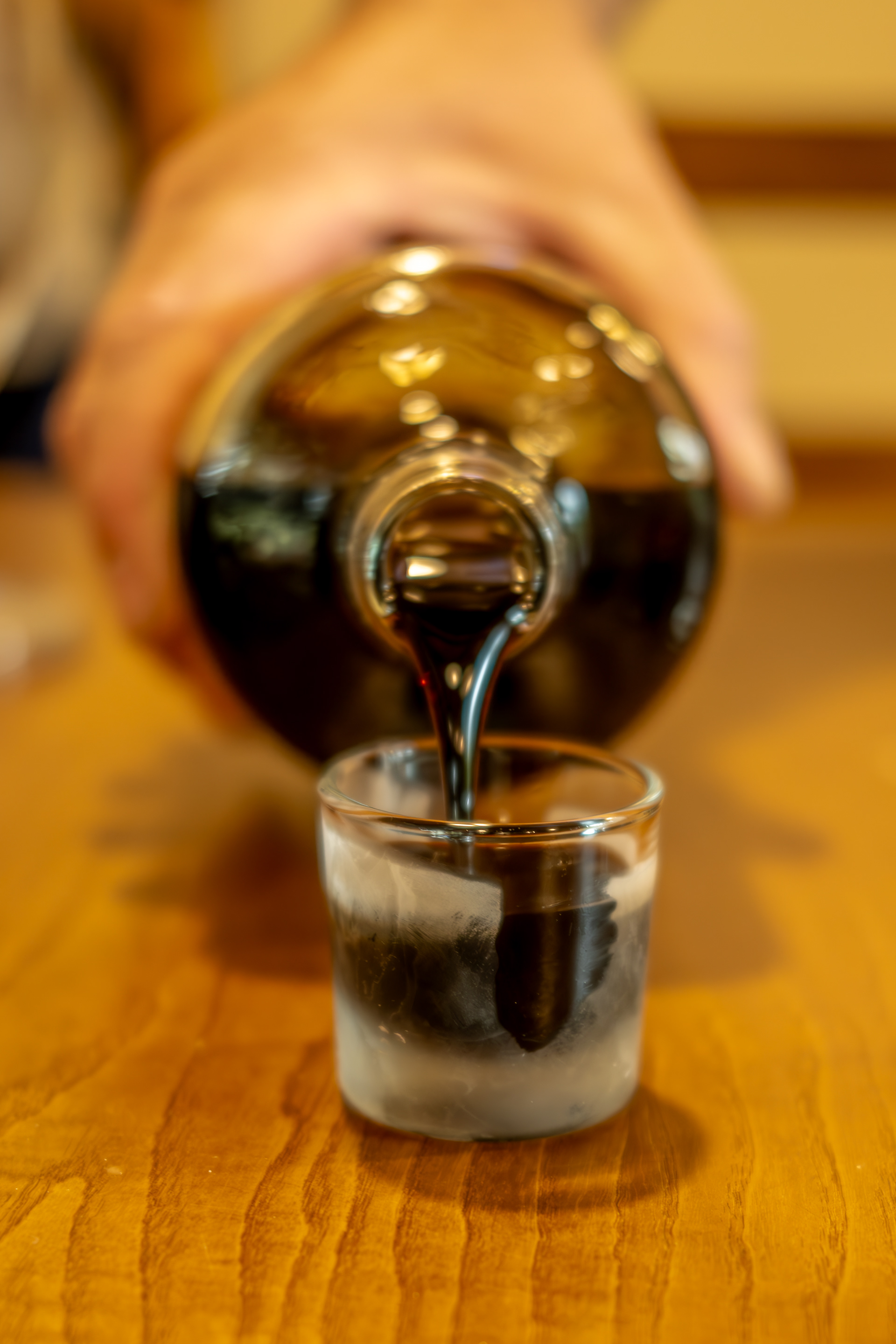
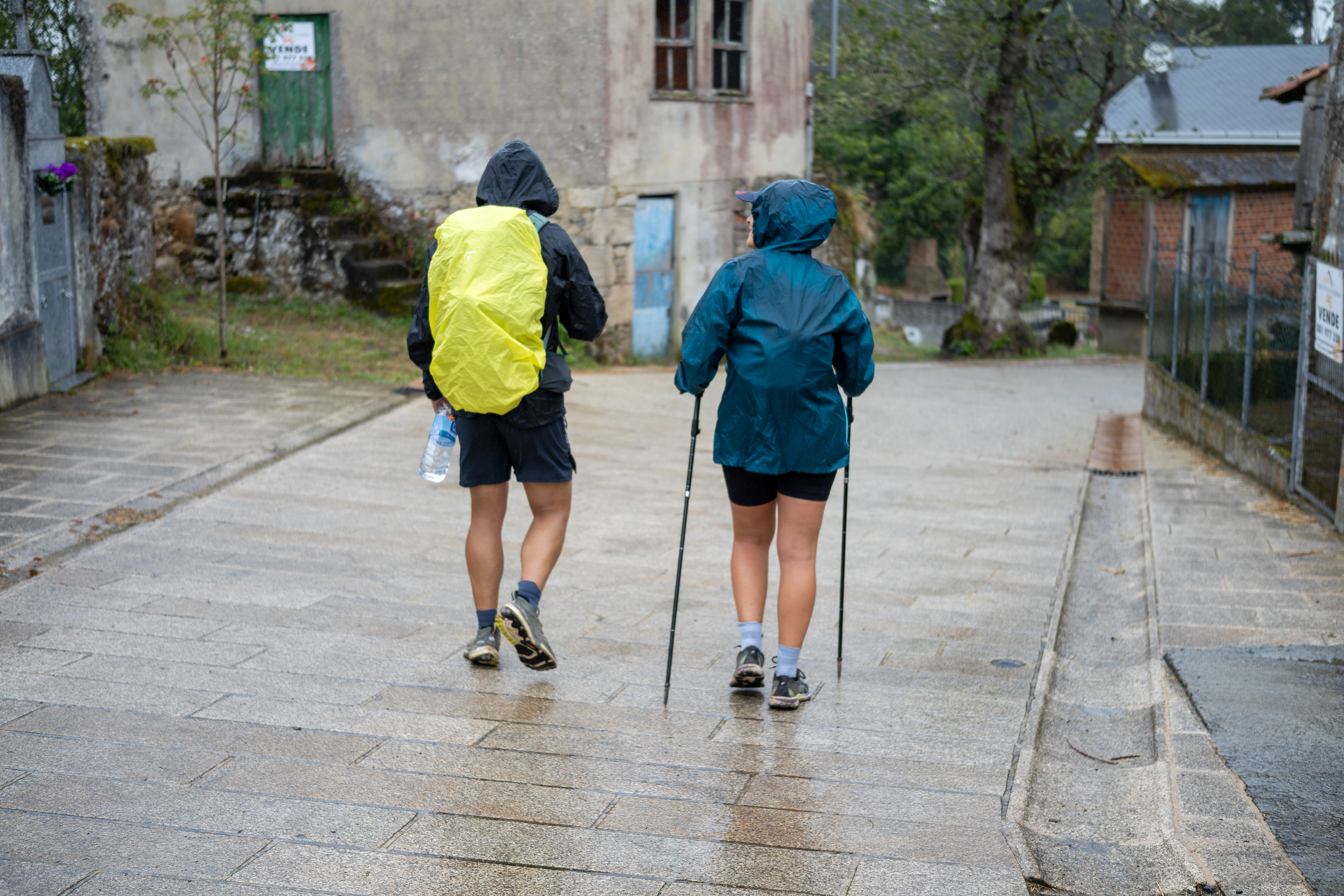
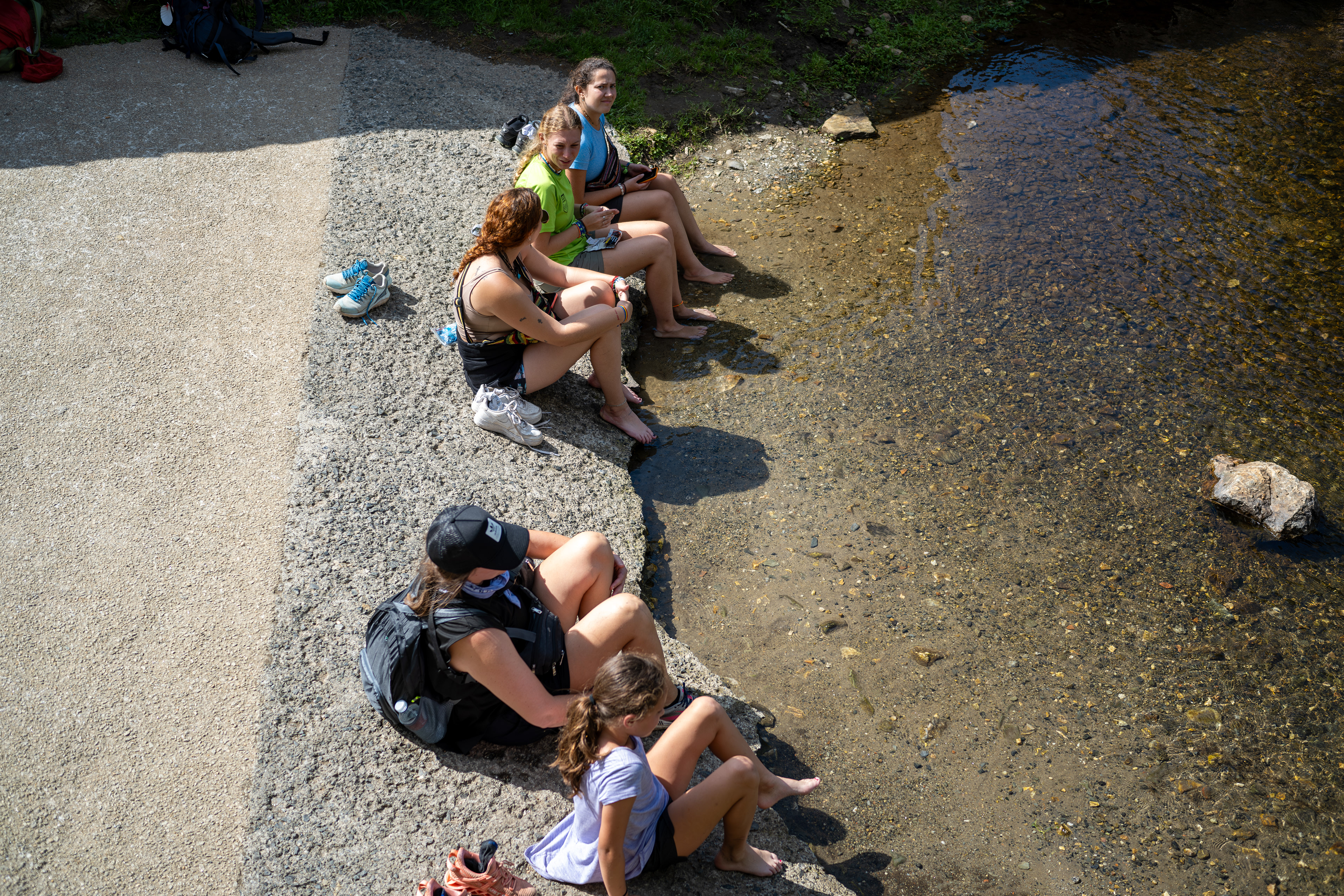
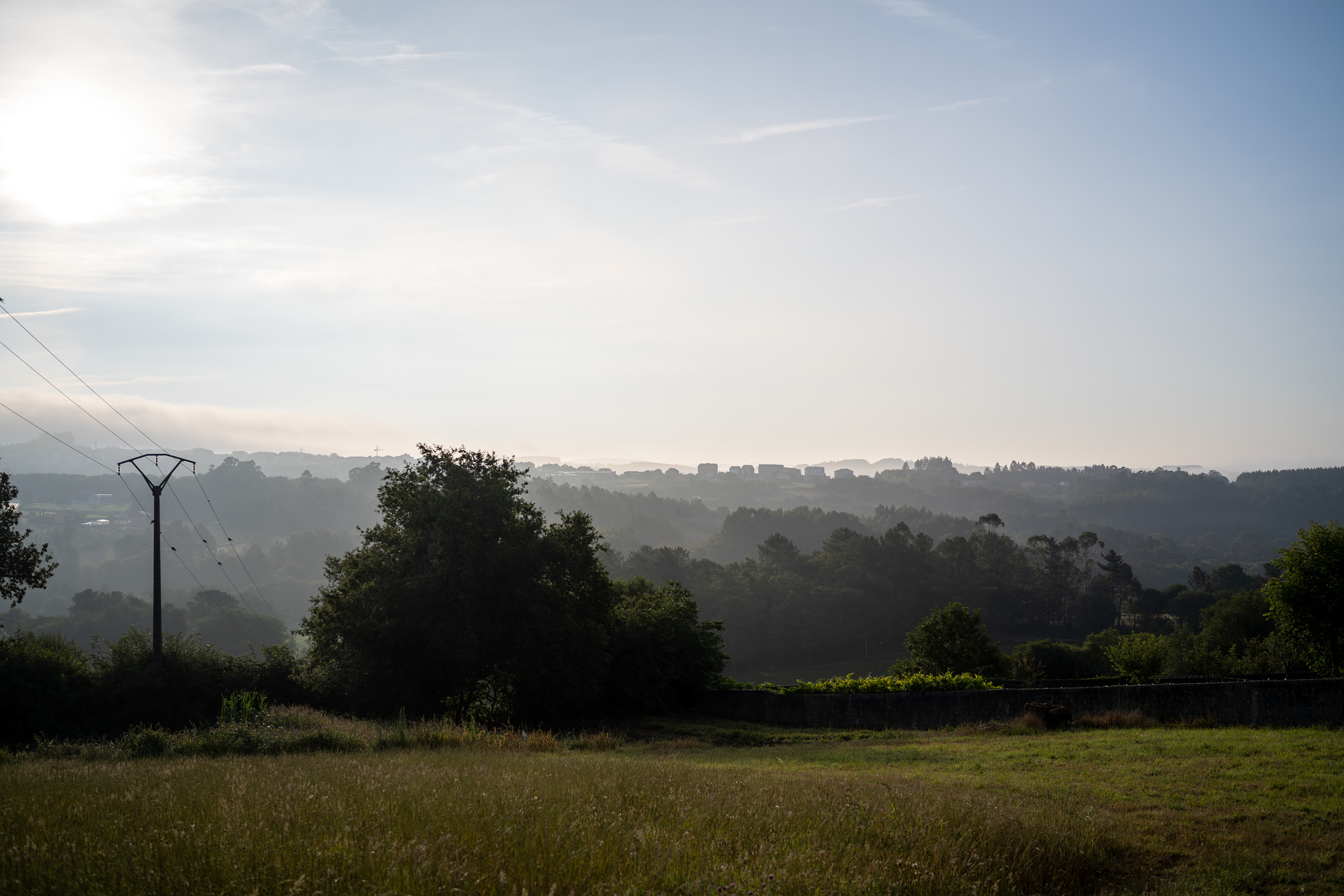
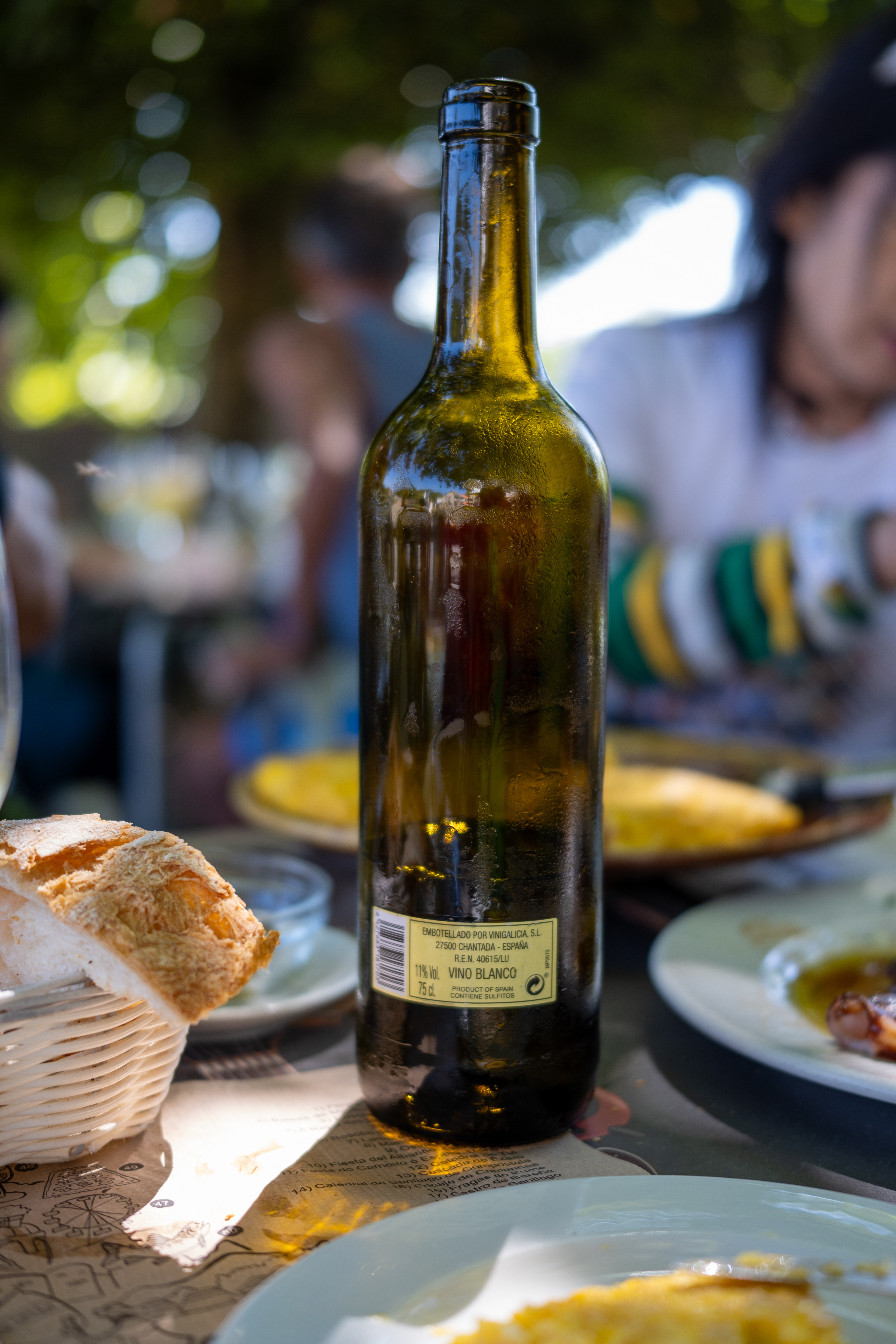
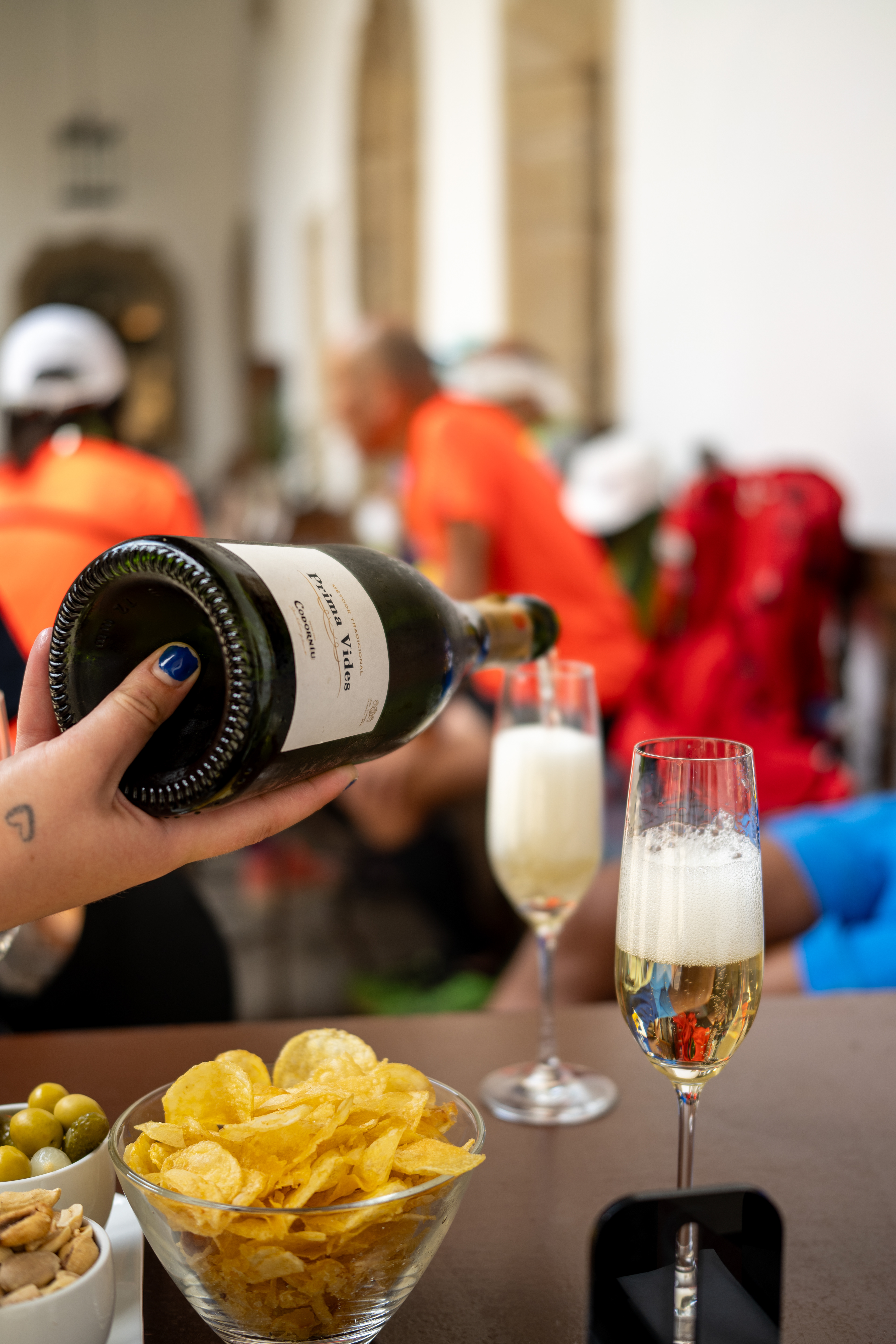
雨の日もあれば晴れの日もある、光が差し込めば影ができる、上り坂もあれば下り坂もある。仲間たちと対話したり宗教や文化を超えた新たな出会い、ひとりだけの内省の時間。みんなリュックにホタテ貝をぶら下げながら、時には美味しいワインやスペイン風オムレツを頬張りながら歩く旅路。
そこには期待していた「何か」はなかったんだと思う。ただ道を歩く中で、そのありのままを受け容れたとき、人は「ねばならない」から解放されて生まれ変わる。そんな力がある道なんだとわかった。
***
Santiago de Compostela is one of the three great pilgrimage sites of Catholicism, said to be the final resting place of Saint James. For centuries, travelers have been drawn to this beautiful, arduous 800-kilometer route. Its iconic symbol, the scallop shell, has long been said to represent "rebirth."
This past summer, I had the opportunity to walk the final 117 kilometers of the pilgrimage, from Sarria in northern Spain to the cathedral in Santiago. Having been unable to travel abroad during the pandemic, I believe I embarked on this journey expecting to find "something"—a catalyst to re-examine my own life.
There were days of rain and days of sun. Where light enters, shadows fall; where there are uphills, there are downhills. The journey was a mix of dialogue with friends, encounters transcending religion and culture, and moments of solitary introspection. We walked with scallop shells dangling from our backpacks, occasionally fueling our steps with delicious wine and Spanish omelets.
In the end, the specific "something" I had expected wasn't there. Yet, I realized the true power of this path. When you accept the road exactly as it is, you are liberated from the weight of "what must be," allowing for true rebirth. That is the magic of the Camino.
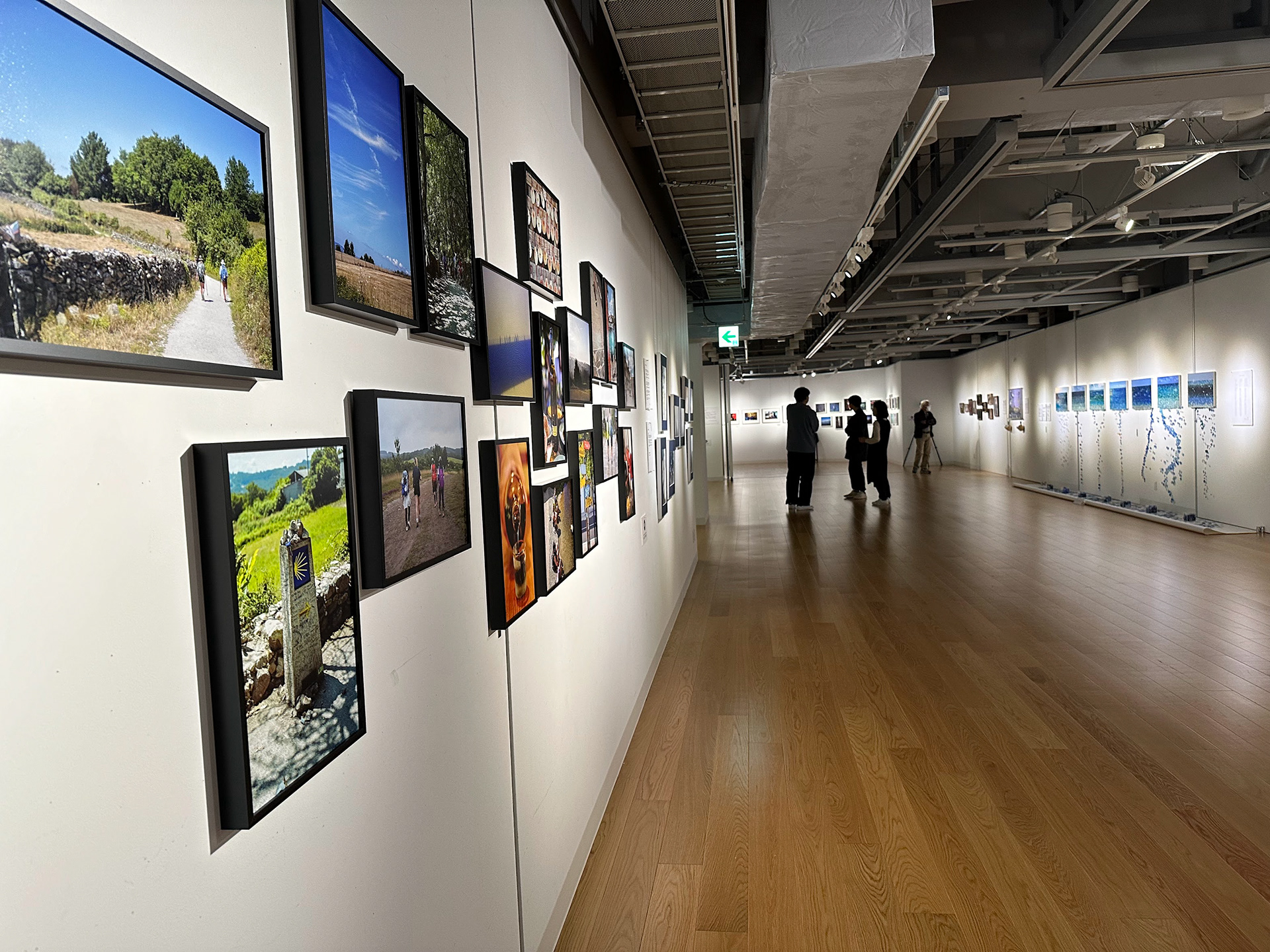
2023年10月5日〜9日 Abox展2023(横浜市民ギャラリー)